Adaptive Funding Channels Elevating Player Transitions from Slot Incentives to Exclusive Live Table Access on Portable Platforms
Quinn Griffin · Aug 20, 2026
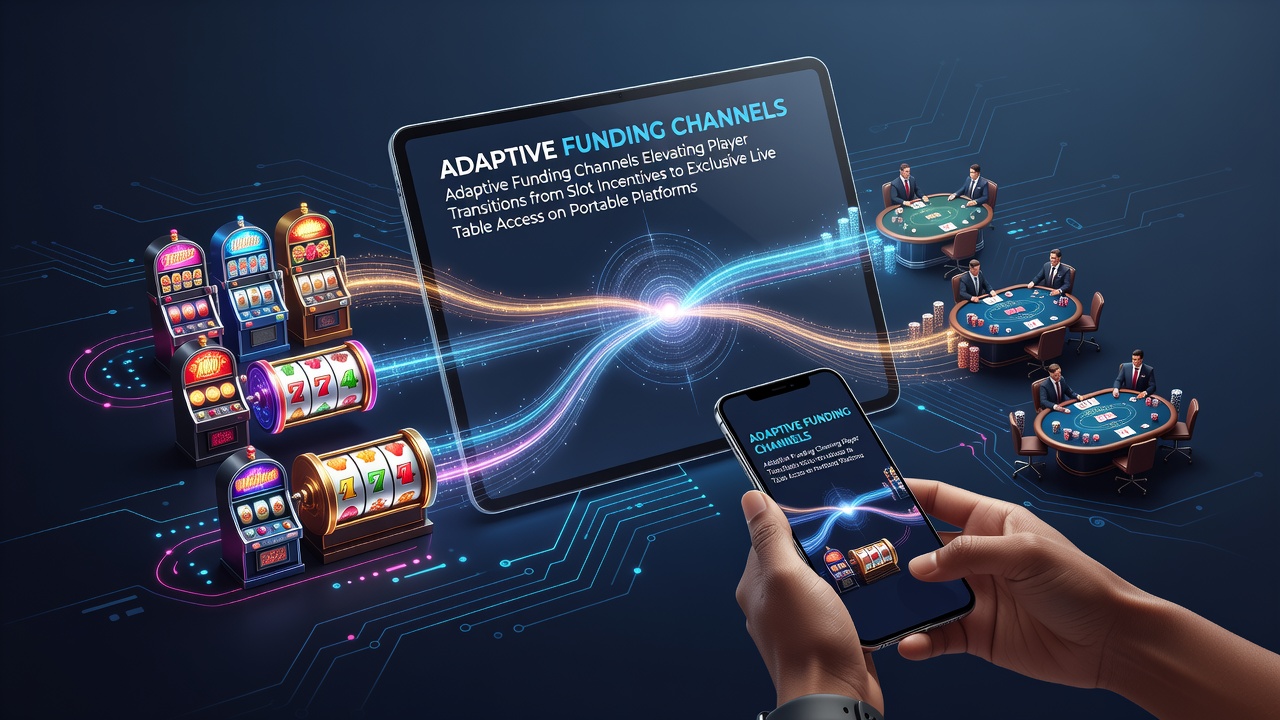
Adaptive Funding Channels Elevating Player Transitions from Slot Incentives to Exclusive Live Table Access on Portable Platforms
Adaptive funding channels have reshaped how participants move between slot incentives and live table environments on portable platforms, and data indicates these systems support quicker shifts through integrated payment tools that align with loyalty structures. Mobile applications now incorporate e-wallet options and instant transfer features that reduce friction when users convert slot-based rewards into credits for dealer-hosted sessions, and figures from multiple jurisdictions reveal consistent growth in such cross-format activity throughout 2025 and into 2026.
Payment flexibility stands at the center of these transitions, since players often start with deposit bonuses tied to video reels before accessing streamed tables that require verified balances and tiered permissions. Research from the Alcohol and Gaming Commission of Ontario shows that mobile sessions featuring multiple funding methods experience higher rates of format switching compared with single-option setups, and operators have responded by embedding loyalty rungs directly into transaction flows.
Payment Integration and Format Mobility
Portable platforms rely on adaptive channels such as digital wallets and bank-linked transfers to maintain session continuity, and these tools allow balances earned through reel incentives to fund entry into exclusive live environments without separate verification steps. Observers note that seamless connections between deposit methods and game libraries encourage participants to explore dealer interactions after initial slot engagement, while data from industry reports highlights that transaction speed correlates with increased live table participation rates.
In August 2026, several mobile operators updated their interfaces to display real-time loyalty progress alongside funding choices, and this change coincided with expanded access to private table sessions for users who completed slot-driven challenges. The integration means that a single transfer can unlock both continued reel play and priority seating at streamed tables, and studies from academic institutions tracking digital gambling patterns confirm that such unified pathways reduce drop-off between game categories.
Loyalty Structures Supporting Cross-Game Movement
Tiered membership programs now link slot incentives directly to live table privileges through funding milestones, and participants advance by completing deposits via preferred adaptive channels that track activity across formats. Those who monitor these systems report that mobile apps display combined progress bars for reel spins and table time, which helps users visualize how their funding choices affect access levels. Government statistics from the New South Wales Independent Liquor and Gaming Authority indicate steady increases in cross-format loyalty redemptions during recent periods, and operators attribute part of this trend to the removal of separate account requirements for each game type.
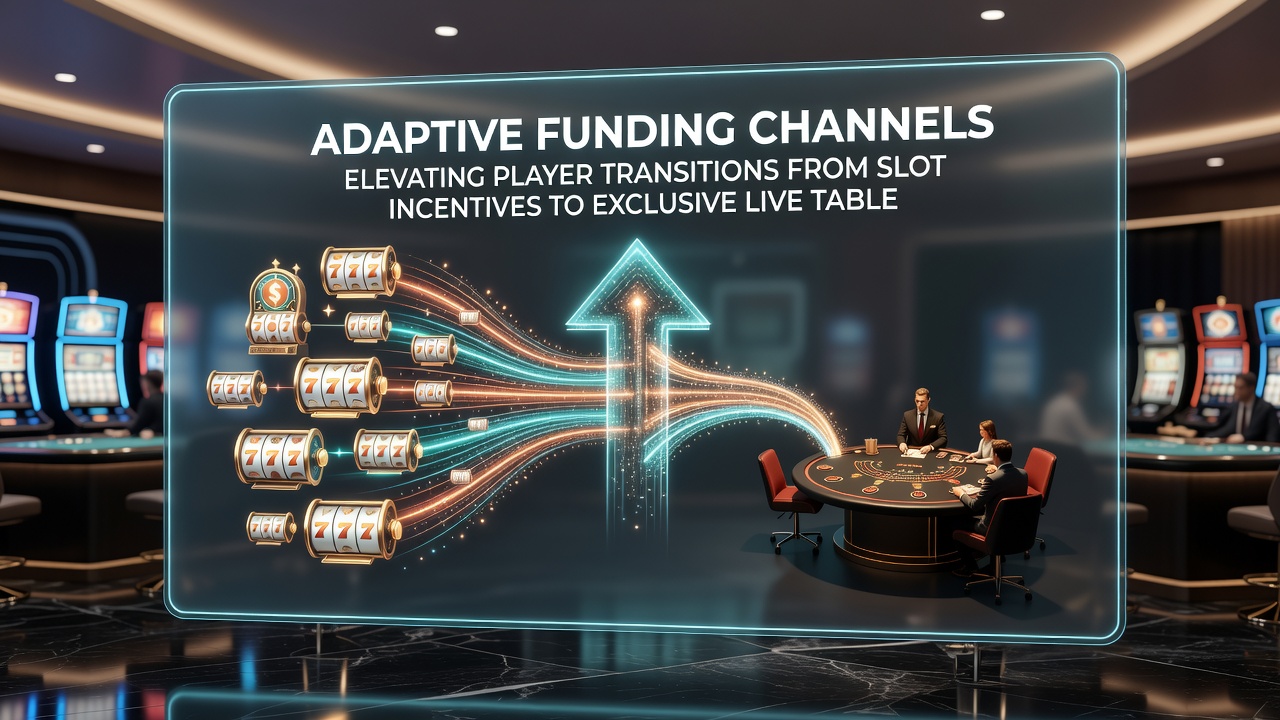
Exclusive access often depends on sustained funding activity, since many platforms reserve private dealer sessions for accounts that maintain consistent transfers through verified channels. Adaptive systems allow users to apply slot-derived credits toward these requirements without additional steps, and this process has become standard in markets where mobile gaming volumes exceed those of land-based venues. Figures reveal that participants who utilize flexible funding options reach higher tiers faster, thereby gaining entry to limited table environments that feature customized rules and higher stakes.
Technical Features Enabling Transitions
Security protocols built into modern wallets support the smooth movement of funds between slot incentives and live table sessions, and encryption standards ensure that transaction data remains protected while users switch formats on portable devices. Developers have incorporated biometric confirmation and one-tap approvals that align with loyalty tracking, and this combination lets players maintain momentum when converting reel rewards into table credits. Data from regulatory monitoring shows that platforms with these features record lower abandonment rates during format changes, and the pattern holds across different device types and operating systems.
Real-time balance updates further support these transitions, since participants can see available credits from slot bonuses appear immediately in live table interfaces. Operators have tested various combinations of funding speed and reward layering, and results indicate that faster approvals correspond with greater exploration of dealer-hosted content. As portable platforms continue to refine these connections, the role of adaptive channels in guiding users from initial slot engagement to exclusive table access remains central to observed activity patterns.
Conclusion
Adaptive funding channels continue to influence how participants navigate between slot incentives and live table environments on mobile platforms, with payment integration and loyalty structures providing the mechanisms for these shifts. Data from regulatory bodies and research sources demonstrates measurable increases in cross-format activity tied to flexible transaction options, and operators maintain these systems to support sustained engagement across game types. The patterns established through 2026 reflect ongoing refinements in how funding tools connect different segments of portable gaming experiences.