Deciphering Adaptive Currency Conversion Mechanisms and Their Effect on Progressive Loyalty Structures for On-Demand Video Slot Play and Live Broadcast Table Games
Quinn Griffin · Jul 23, 2026
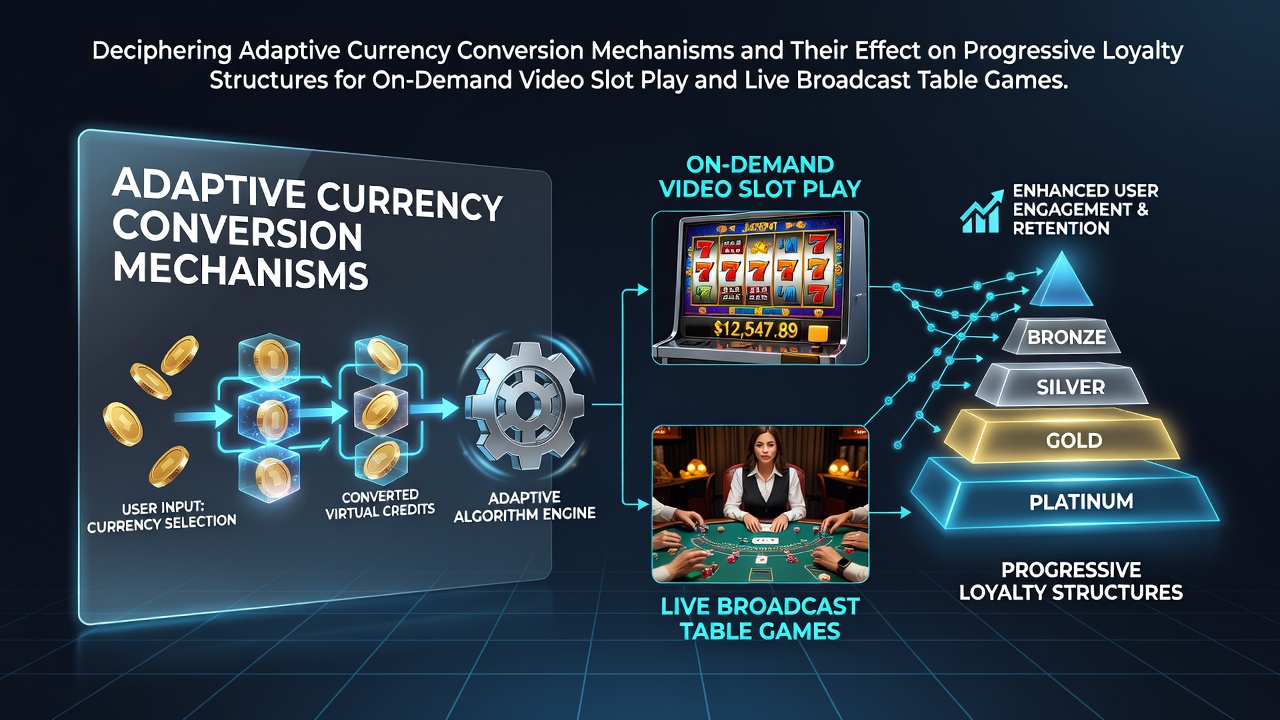
Deciphering Adaptive Currency Conversion Mechanisms and Their Effect on Progressive Loyalty Structures for On-Demand Video Slot Play and Live Broadcast Table Games
Adaptive currency conversion mechanisms operate through real-time algorithms that adjust exchange rates and transaction processing based on player location, account currency, and platform settings, while progressive loyalty structures track accumulated activity across video slot sessions and live broadcast table games to determine tier progression. Data from July 2026 shows these systems handling thousands of cross-border transactions daily in regulated markets, with platforms integrating conversion tools directly into mobile applications used for on-demand play.
Core Components of Adaptive Currency Systems
Platforms apply dynamic rate engines that pull live foreign exchange data and apply localized fees or bonuses during deposits and withdrawals, and this process connects directly to loyalty tracking because converted amounts determine point accrual rates for both reel spins and dealer-hosted rounds. Observers note that systems often segment conversions by game type, assigning different multipliers when players switch between video slots and streamed tables within the same session.
Regulatory records indicate that operators must log each conversion event for compliance audits, and July 2026 filings from multiple jurisdictions reveal standardized reporting formats that include timestamp, original currency, converted value, and resulting loyalty credit. These logs feed into backend databases that update player tiers automatically once thresholds are met through combined slot and table activity.
Integration With Progressive Loyalty Frameworks
Loyalty programs calculate tier advancement using weighted activity metrics that incorporate currency-adjusted spend, and adaptive conversion layers apply regional factors so that equivalent real-world value generates consistent point awards regardless of the player's base currency. Researchers at academic institutions tracking digital gambling patterns have documented how these adjustments maintain parity across user groups participating in on-demand video slots or live broadcast formats.
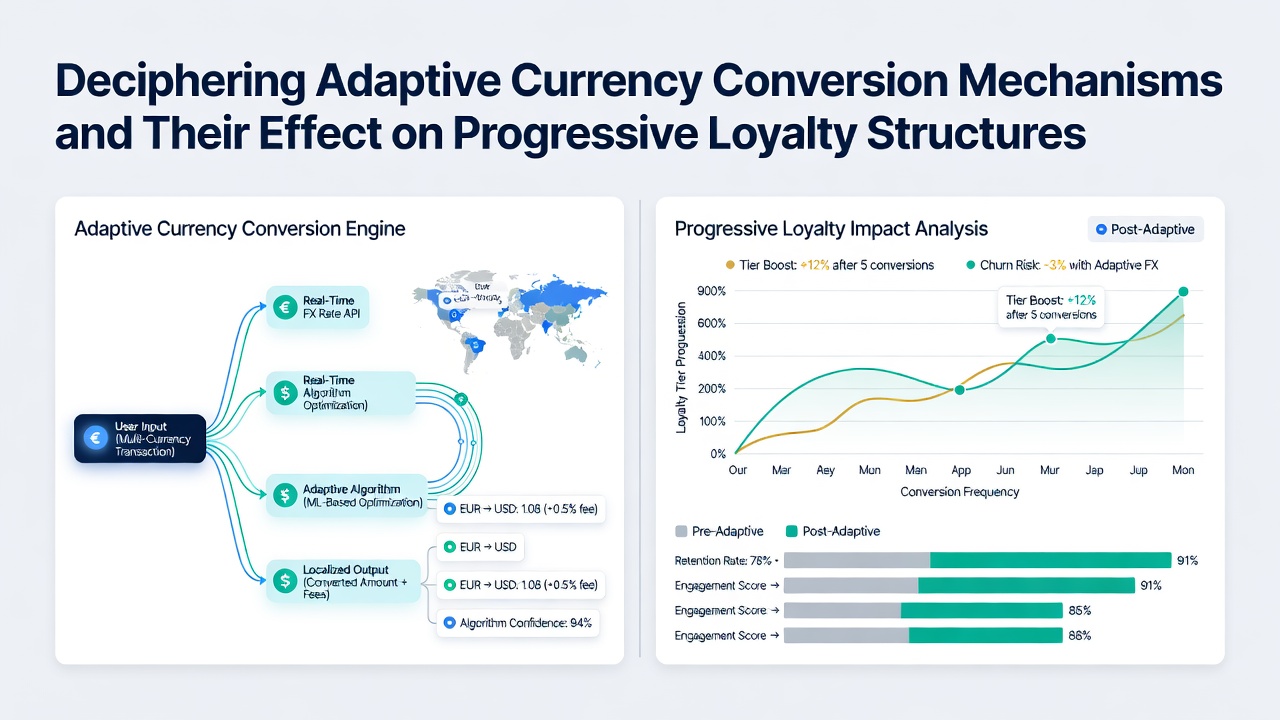
One documented case involves platforms that reset daily conversion parameters at midnight UTC to align with global market closes, and this timing influences how players accumulate qualifying spend toward monthly loyalty resets. Figures from industry reports show tier upgrade rates rising when conversion tools minimize rate volatility during peak live table hours.
Effects on Video Slot and Live Table Participation
Players engaging in on-demand video slots experience conversion applied at the point of spin initiation, whereas live broadcast table sessions trigger conversion upon bet placement through dealer interfaces, and the resulting loyalty credits aggregate into unified profiles. According to a 2026 analysis published by the European Gaming and Betting Association, platforms using unified conversion protocols recorded higher cross-game movement between slot and table categories within single accounts.
Transaction logs analyzed in Canadian regulatory summaries demonstrate that adaptive mechanisms reduce abandoned sessions caused by currency mismatches, allowing uninterrupted progression through loyalty levels. Those who monitor platform analytics note that live table participants often trigger larger converted volumes per session, which accelerates tier movement when paired with slot activity in the same account.
Technical and Regulatory Considerations
Backend processors employ API calls to banking partners for instantaneous rate verification, and these calls embed loyalty identifiers so that converted amounts route directly into tier calculation engines. Government oversight bodies in multiple regions require operators to maintain audit trails that separate conversion events from base game data, ensuring transparency in how progressive structures receive input values.
July 2026 compliance updates from Australian digital gambling regulators highlight mandatory stress testing of conversion engines during high-volume periods, with particular attention paid to simultaneous slot and table game traffic. Such requirements have led developers to implement fallback static rates that preserve loyalty point integrity when live feeds experience brief interruptions.
Conclusion
Adaptive currency conversion mechanisms continue to shape the way progressive loyalty structures register activity from on-demand video slot play and live broadcast table games by normalizing transaction values across borders. Records compiled through July 2026 demonstrate consistent application of these tools in regulated environments, with data flows supporting tier calculations that span both game categories. Further documentation from sources such as the Canadian Gaming Association provides additional detail on implementation patterns observed in North American markets.