How Integrated Payment Frameworks Shape Loyalty Tier Shifts Between Mobile Reel Games and Live Streamed Tables
Taylor Wolf · Jun 2, 2026
How Integrated Payment Frameworks Shape Loyalty Tier Shifts Between Mobile Reel Games and Live Streamed Tables
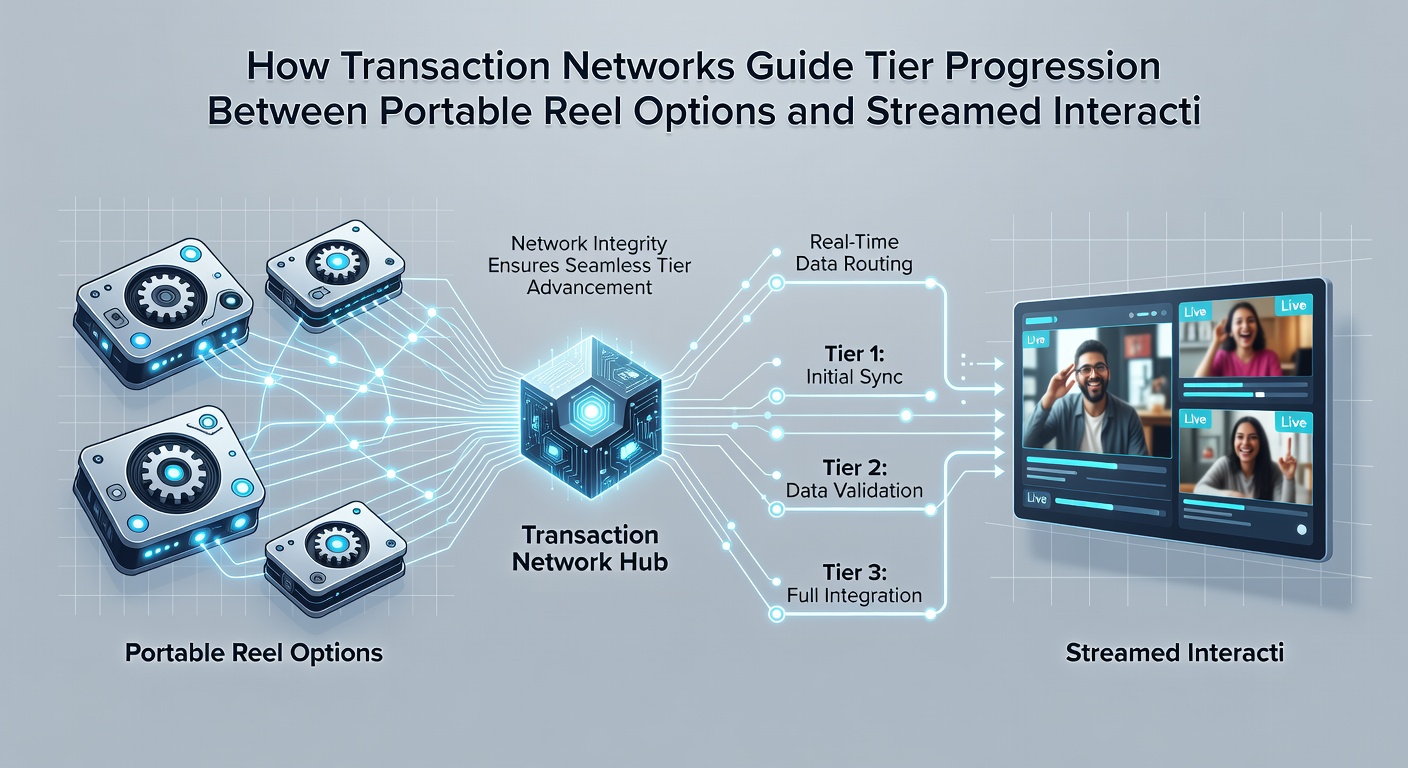
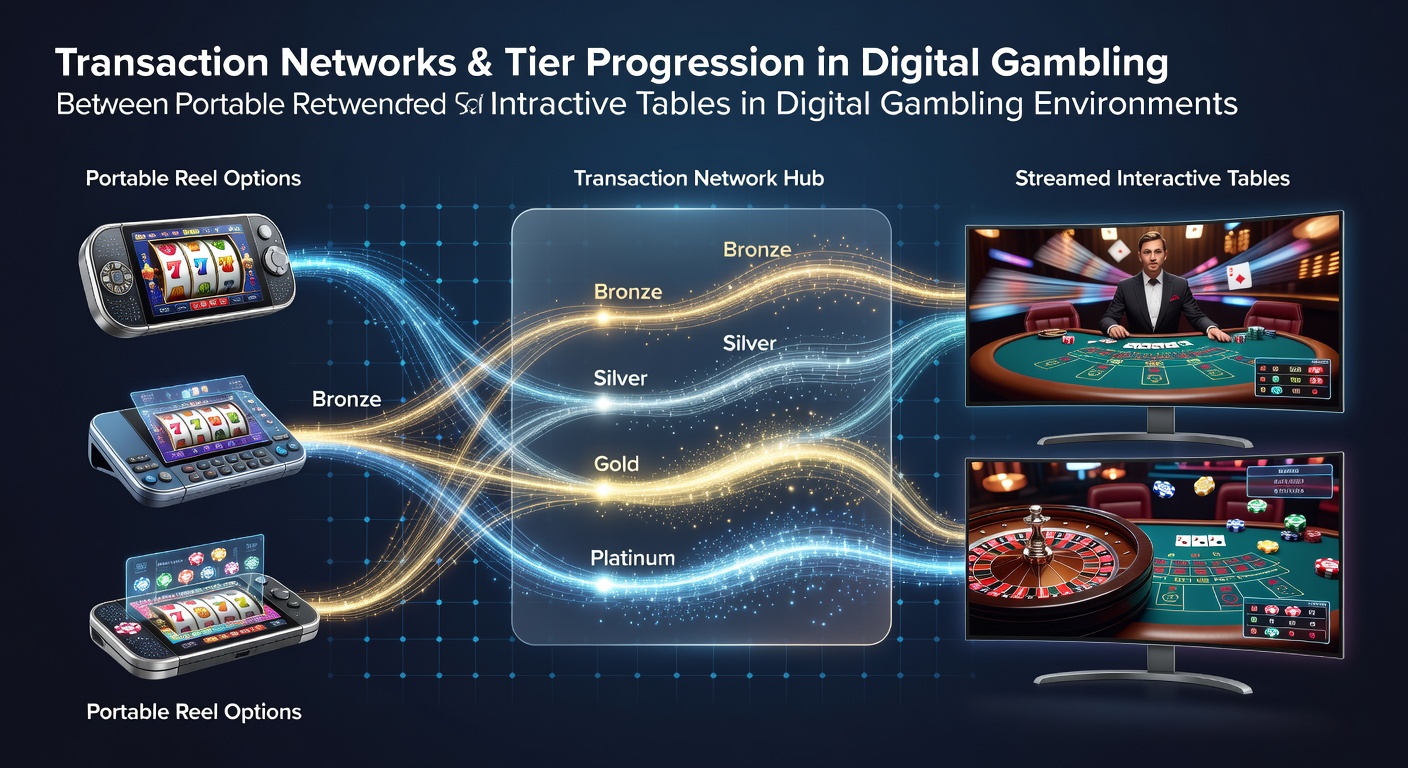
Transaction networks in digital gambling platforms create direct pathways that connect activity on portable reel options with participation in streamed interactive tables, allowing players to accumulate loyalty points across both formats without separate account actions. These systems rely on unified digital wallets and real-time settlement tools that record every spin or wager as a single stream of data feeding into centralized tier calculations. Operators implement this structure so that deposits made through one interface immediately become available for the other, while the same transaction history contributes to progressive membership levels. Data from industry tracking services shows that platforms using synchronized payment rails report higher cross-format engagement rates because users avoid the friction of multiple funding steps. When a player completes a session on mobile reels and switches to a live dealer table, the network treats the combined activity as continuous progress toward the next tier threshold. This approach eliminates the need for manual point transfers and instead uses automated reconciliation that updates status within seconds of each completed round.Mechanics of Cross-Format Point Accumulation
Payment processors embed tier rules directly into their transaction protocols so every deposit or withdrawal carries metadata that the loyalty engine reads automatically. A single transfer through an e-wallet therefore registers activity for both reel-based games and table sessions under the same player profile. Observers note that this integration reduces administrative overhead for operators while giving users a clear view of remaining requirements for advancement. Studies conducted on major platforms indicate that players who move between formats within the same session reach higher tiers faster than those who remain in one category. The transaction layer records the switch as a single event rather than two isolated actions, which accelerates the counting process. In practice, a deposit made on a smartphone reel interface can fund a live table session moments later, with the entire sequence counted toward the current tier multiplier.Regional Market Developments in Mid-2026
Figures released in June 2026 from North American regulatory filings highlight continued growth in cross-platform play, with several jurisdictions reporting increased volumes in both mobile reel and live dealer segments. These reports link the rise to expanded use of interoperable wallets that remove barriers between game types. Canadian provincial frameworks, for example, require operators to maintain unified transaction records that feed directly into loyalty systems, ensuring consistent tier tracking regardless of device or game format. Australian state regulators have adopted similar data standards that allow seamless movement between reel and table environments while preserving audit trails for tier calculations. The result appears in aggregated industry statistics showing reduced drop-off rates when players transition formats mid-session.