Jurisdictional Oversight Evolutions Steering Cross-Format Entertainment Preferences Among Remote Participants
Harper Neumann · Aug 6, 2026
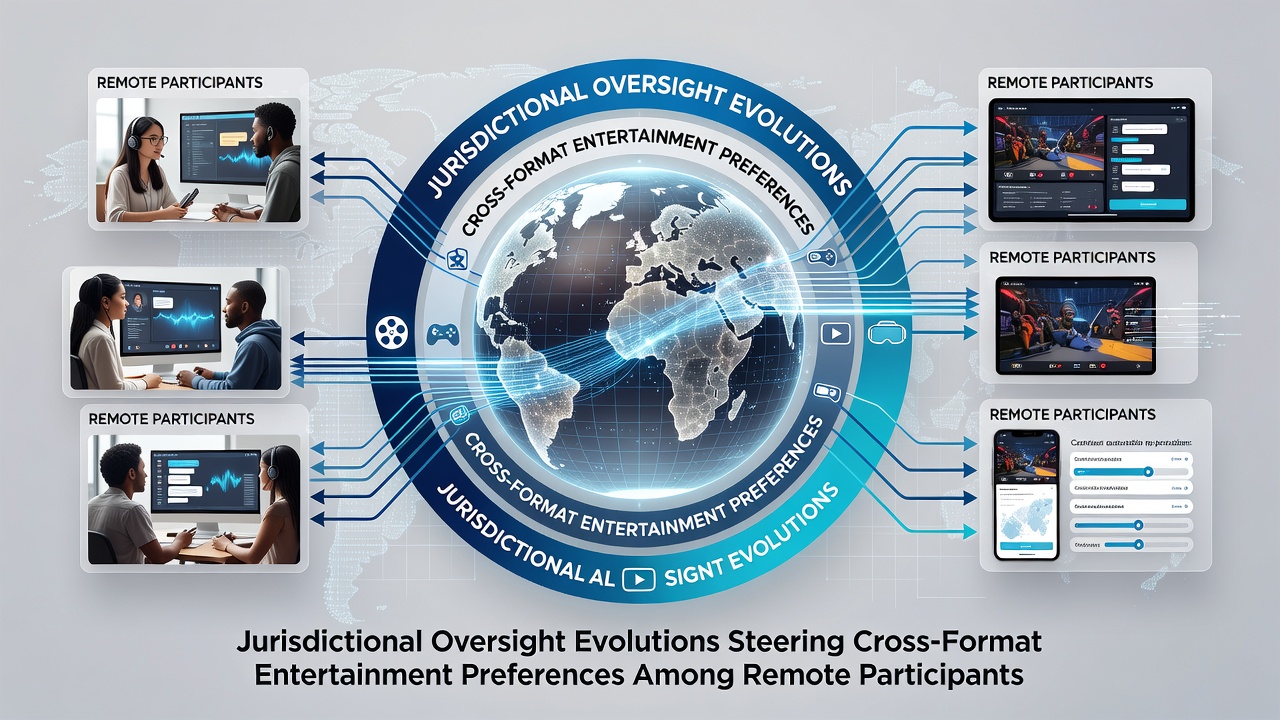
Jurisdictional Oversight Evolutions Steering Cross-Format Entertainment Preferences Among Remote Participants
Regulatory bodies in multiple regions have adjusted licensing requirements and compliance standards over the past several years, and these modifications now direct how remote participants select between reel-based games and live dealer sessions on mobile platforms. Data collected through mid-2026 shows measurable shifts in format engagement that align with updated oversight rules in states and provinces where digital gambling operates under revised frameworks.
Changes in Licensing and Compliance Standards
Jurisdictions such as Pennsylvania and Ontario implemented updated reporting mandates for transaction monitoring in 2025, and operators responded by refining how they present slot titles alongside live table options within the same applications. Those who've examined participation logs note that clearer guidelines on bonus structures and payment verification led remote users to explore live dealer formats more frequently once initial deposit incentives became tied to verified accounts. Researchers tracking activity across North American markets found that streamlined approval processes for new game integrations encouraged providers to highlight cross-format transitions, whereas earlier restrictions had kept many participants focused primarily on automated reel play.
European authorities in Malta and several Australian states introduced similar verification protocols during the same period, and these measures coincided with recorded increases in live session durations among users who previously favored mobile slots. Observers point to standardized security audits that reduced friction during account funding, allowing participants to move between formats without repeated compliance checks.
Payment System Adjustments and Format Access
Updated rules governing digital wallet integrations have altered how remote participants reach different entertainment types, particularly when jurisdictions require real-time transaction reporting. In August 2026, several operators in regulated markets reported that users accessing enhanced verification tiers gained quicker entry to live dealer environments, while slot selections remained available under baseline compliance levels. This pattern appears in aggregated industry figures where transaction velocity correlates with format exploration rather than remaining confined to one category.

Analysts at the American Gaming Association documented these dynamics through quarterly reports that separate mobile reel engagement from streamed table participation, and the data reveals consistent movement toward balanced usage once payment frameworks align with jurisdictional expectations. Participants in markets with mature oversight often maintain activity across both formats after completing initial verification steps, whereas newer regulatory environments show slower crossover until operators adapt their interfaces.
Regional Variations in Participant Behavior
North American markets demonstrate faster adoption of live options following rule clarifications on promotional funding, while certain Asian jurisdictions maintain stronger slot preferences due to ongoing restrictions on real-time hosted content. Canadian provincial data and reports from the Victorian Commission for Gambling and Liquor Regulation illustrate how localized oversight shapes these preferences without uniform global patterns. Those monitoring cross-border participation note that users in overlapping regulatory zones adjust their selections based on the strictest applicable standards they encounter during a session.
Evidence from operator dashboards indicates that when jurisdictions synchronize rules around identity confirmation and fund transfers, remote participants expand their format range within single applications rather than switching between separate platforms. This integration reduces barriers that previously kept many users within one entertainment category for extended periods.
Conclusion
Continued refinements in jurisdictional oversight continue to influence how remote participants distribute their engagement across mobile slots and live dealer sessions, and available metrics through August 2026 confirm these connections without indicating uniform outcomes across all markets. Operators and regulators alike track these developments through standardized reporting that highlights the interplay between compliance requirements and format accessibility.