Licensing Frameworks Transform Initial Incentives in New Digital Gambling Markets for Mobile Slots and Live Games
Harper Neumann · May 28, 2026
Licensing Frameworks Transform Initial Incentives in New Digital Gambling Markets for Mobile Slots and Live Games
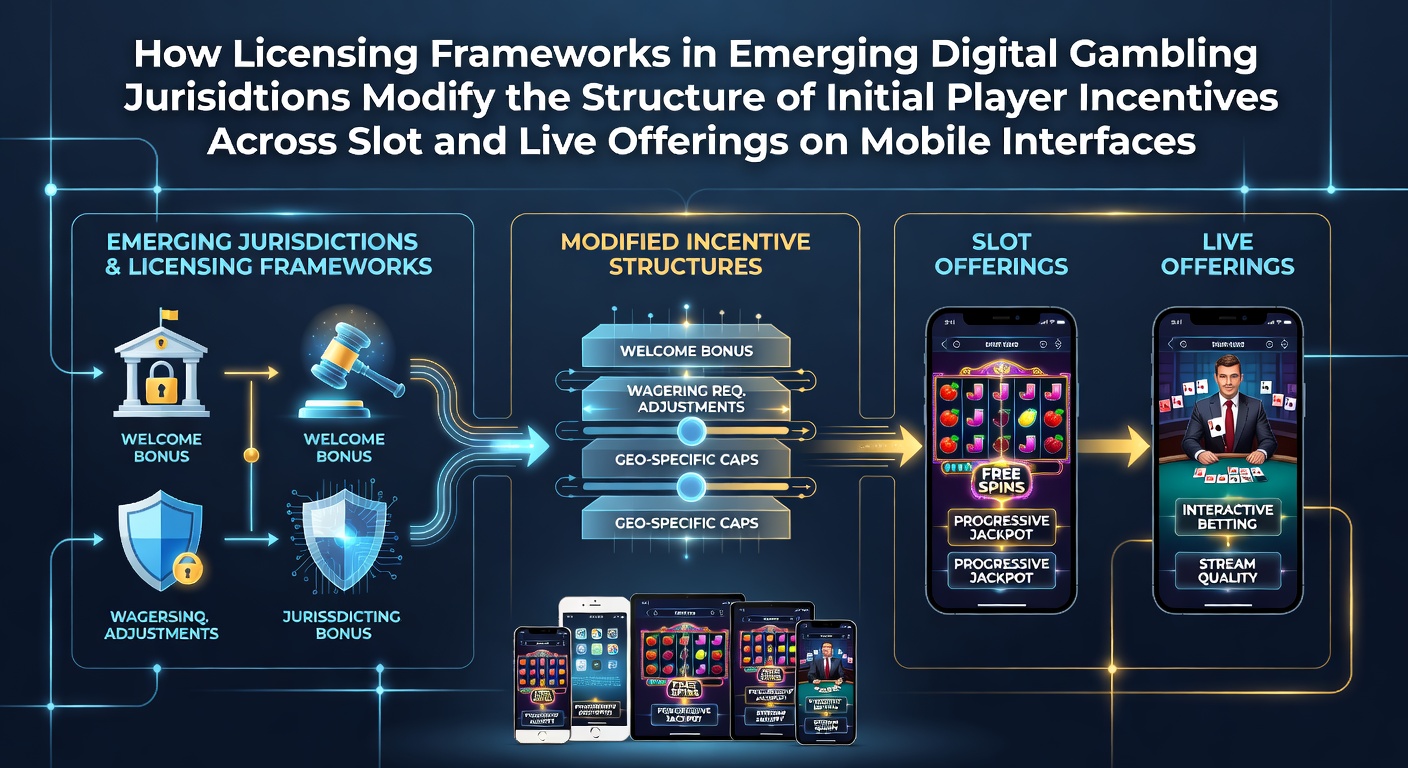
Regulatory bodies in emerging digital gambling jurisdictions have introduced licensing conditions that directly influence how operators structure welcome offers for new players on mobile platforms, and these rules often separate slot-based promotions from live dealer incentives in distinct ways. Operators must adapt bonus designs to meet local compliance standards while maintaining appeal across smartphone users who switch between video reels and real-time hosted sessions. Data from recent market entries shows that these frameworks typically impose wagering multipliers, game-type restrictions, and transaction verification steps that alter the initial player journey right from the first deposit.
Regulatory Patterns Across Emerging Markets
Jurisdictions entering the regulated online space in 2025 and 2026 have adopted licensing models that require operators to disclose bonus terms upfront and limit certain promotional mechanics on mobile interfaces. In Brazil's framework, which saw expanded digital licensing rounds completed ahead of May 2026, authorities mandate that slot-focused incentives carry lower maximum bet limits during bonus play compared to live offerings, while live dealer promotions face stricter identity verification timelines tied to mobile transaction logs. This separation encourages operators to create tiered welcome packages where free spin bundles for slots activate faster on smartphones yet carry higher playthrough thresholds, whereas live table deposit matches require additional funding method confirmations before release.
Similar patterns appear in several African markets where digital gambling licenses now tie bonus eligibility to geo-fenced mobile app usage, forcing providers to redesign initial incentives so that slot rewards emphasize quick spin credits while live sessions incorporate loyalty points that only accumulate after verified live dealer rounds. Observers note that these conditions stem from efforts to balance player protection with market growth, resulting in structures that discourage cross-game bonus transfers on portable devices.
Mobile-Specific Incentive Adjustments
Mobile interfaces introduce unique constraints under new licensing rules because regulators often require operators to display bonus expiration timers and contribution percentages directly within app menus for both slot and live sections. In practice this means slot welcome bonuses frequently convert into time-limited free spin packs that align with shorter mobile sessions, while live dealer incentives adopt progressive unlock systems where initial deposit matches release in stages tied to completed hands or rounds. Research indicates that these modifications reduce the overlap between slot and live promotions, pushing players toward one category based on the licensing-mandated reward pacing rather than personal preference alone.
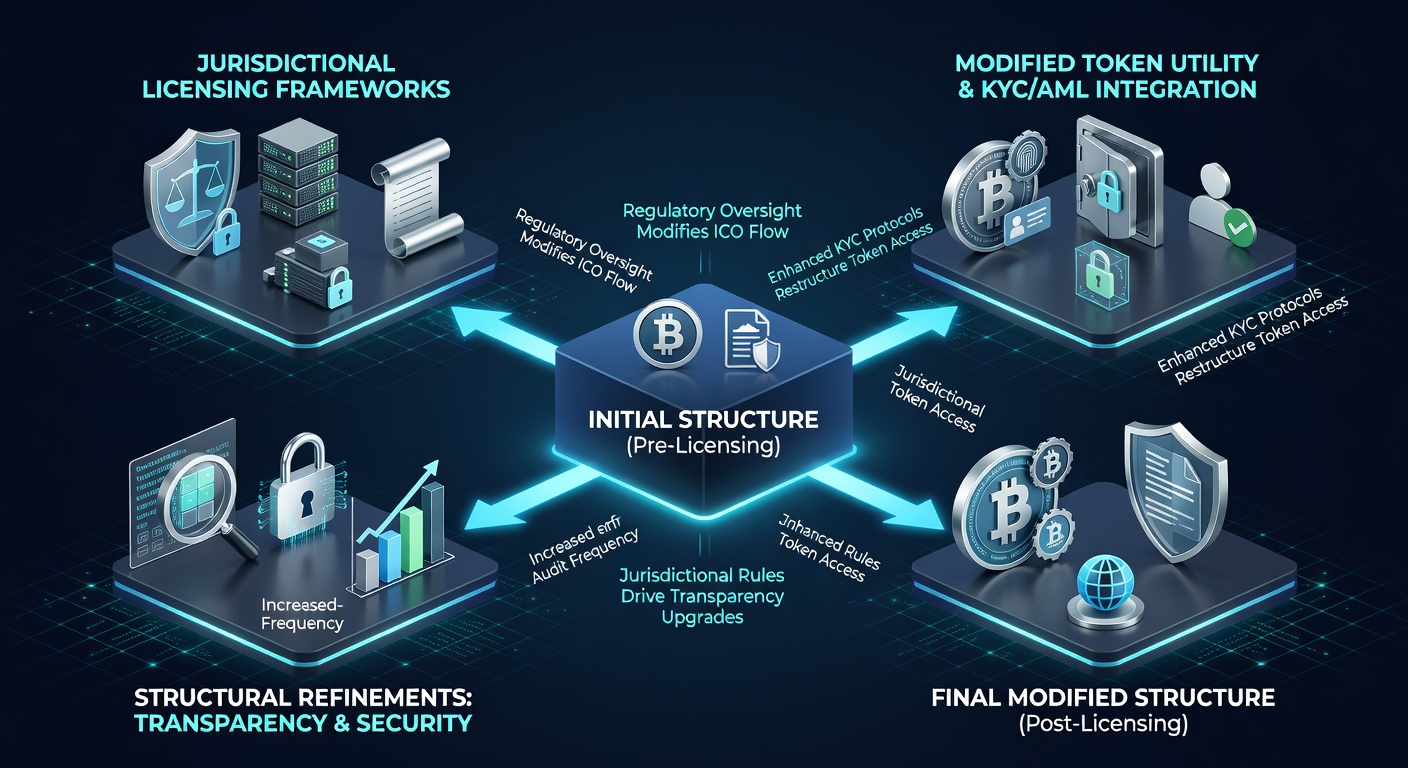
Operators respond by building modular incentive systems that comply with local license conditions yet remain functional across Android and iOS platforms. For instance, certain frameworks require that live dealer bonuses cannot contribute toward slot wagering requirements and vice versa, which fragments the initial player experience into parallel tracks visible immediately upon app launch. Transaction flexibility plays a supporting role here because licensed markets often demand that e-wallet and card deposits trigger different verification flows, further customizing how quickly slot free plays or live credits become available on mobile.
Impact on Player Choice and Offer Design
Evidence from operational reports reveals that licensing conditions in these new jurisdictions have led operators to present slot incentives with higher volume but lower individual value per spin, while live offerings emphasize fewer yet more substantial table credit packages that activate only after mobile-specific security checks. This design shift appears in markets where authorities review bonus structures during license renewal processes, compelling providers to differentiate clearly between reel-based and hosted game promotions to avoid penalties. Players encounter these differences right at registration, where mobile apps now surface separate opt-in paths for each game type with licensing-mandated disclaimers attached.
Case examples from recently licensed regions show that when frameworks enforce strict separation, average session lengths for slots increase due to the quicker release of small spin bundles, whereas live dealer engagement depends more on cumulative deposit milestones that unfold over multiple mobile sessions. Such outcomes emerge because regulators prioritize transparency in how initial incentives convert across device types, leading to standardized disclosure formats that operators must embed within both slot lobbies and live dealer waiting areas.
Conclusion
Licensing frameworks in emerging digital gambling jurisdictions continue to reshape initial player incentives by enforcing game-type distinctions, mobile verification steps, and phased reward releases that affect slots and live offerings differently. These changes manifest through regulatory requirements that operators translate into app features visible from the first interaction, creating structured pathways that guide player behavior across portable interfaces. As additional markets finalize their digital licensing regimes, the resulting incentive models reflect ongoing efforts to align promotional structures with compliance standards while supporting varied mobile usage patterns.