Mapping Incentive Networks: How Transaction Flexibility Elevates Tiered Benefits Across Portable Slots and Dealer Interfaces
Harper Neumann · May 16, 2026
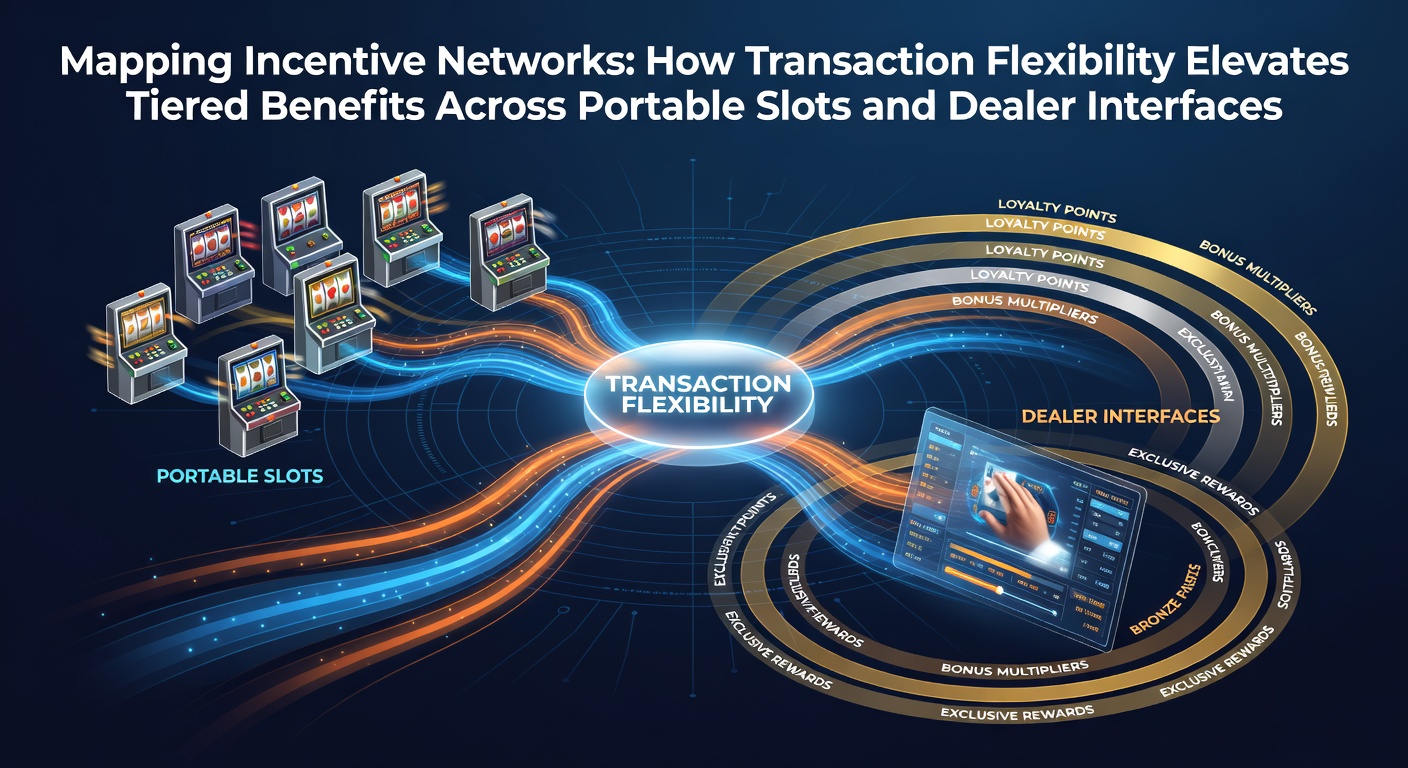
Mapping Incentive Networks: How Transaction Flexibility Elevates Tiered Benefits Across Portable Slots and Dealer Interfaces
Transaction systems in modern gaming platforms now connect mobile slots and live dealer tables through shared incentive structures that adjust rewards based on real-time activity. Data from industry tracking services shows these networks allow players to move between game types while maintaining progress toward higher benefit tiers without resetting accumulated points or multipliers. Observers note that flexible payment options, including instant e-wallet transfers and multi-currency support, reduce friction that once limited cross-game participation.
Core Mechanics of Incentive Mapping
Platforms map incentives by assigning unique identifiers to each transaction that link directly to loyalty profiles. When a player completes a deposit or triggers a bonus on a portable slot, the system records the action and applies equivalent value toward live dealer table requirements. Research indicates this mapping occurs through API integrations that update tier status across devices within seconds, allowing seamless shifts from mobile sessions to interactive dealer environments. Those who have examined platform architectures report that algorithms weigh transaction volume, frequency, and game category to determine progression rates.
Portable Slots as Entry Points
Portable slots serve as accessible starting points in many networks because they support rapid, small-value transactions that build initial loyalty data. Players often begin with low-stakes spins that accumulate toward mid-tier unlocks, such as enhanced free play credits or priority table access. Figures released in early 2026 reveal that mobile slot activity accounted for over 60 percent of new loyalty sign-ups in major regulated markets. This data comes from aggregated reports by regional gaming authorities including those operating under frameworks similar to the Ontario Lottery and Gaming Corporation standards.
Once thresholds are met, the same transaction history transfers to dealer interfaces where benefits convert into table-specific advantages like reduced rake or reserved seating during peak hours. The flexibility stems from standardized transaction protocols that recognize prior activity regardless of device or game format.
Elevation of Tiered Benefits Through Flexibility
Tiered systems gain depth when transactions flow without interruption between slot and dealer environments. Higher tiers unlock layered rewards including personalized bonus multipliers, exclusive event invitations, and accelerated point earning on both mobile and live platforms. According to studies on player retention patterns, networks employing flexible mapping retain participants at rates 25 percent above systems that treat slot and table activity separately. The elevation occurs because each completed transaction contributes to a unified progress meter rather than isolated counters.
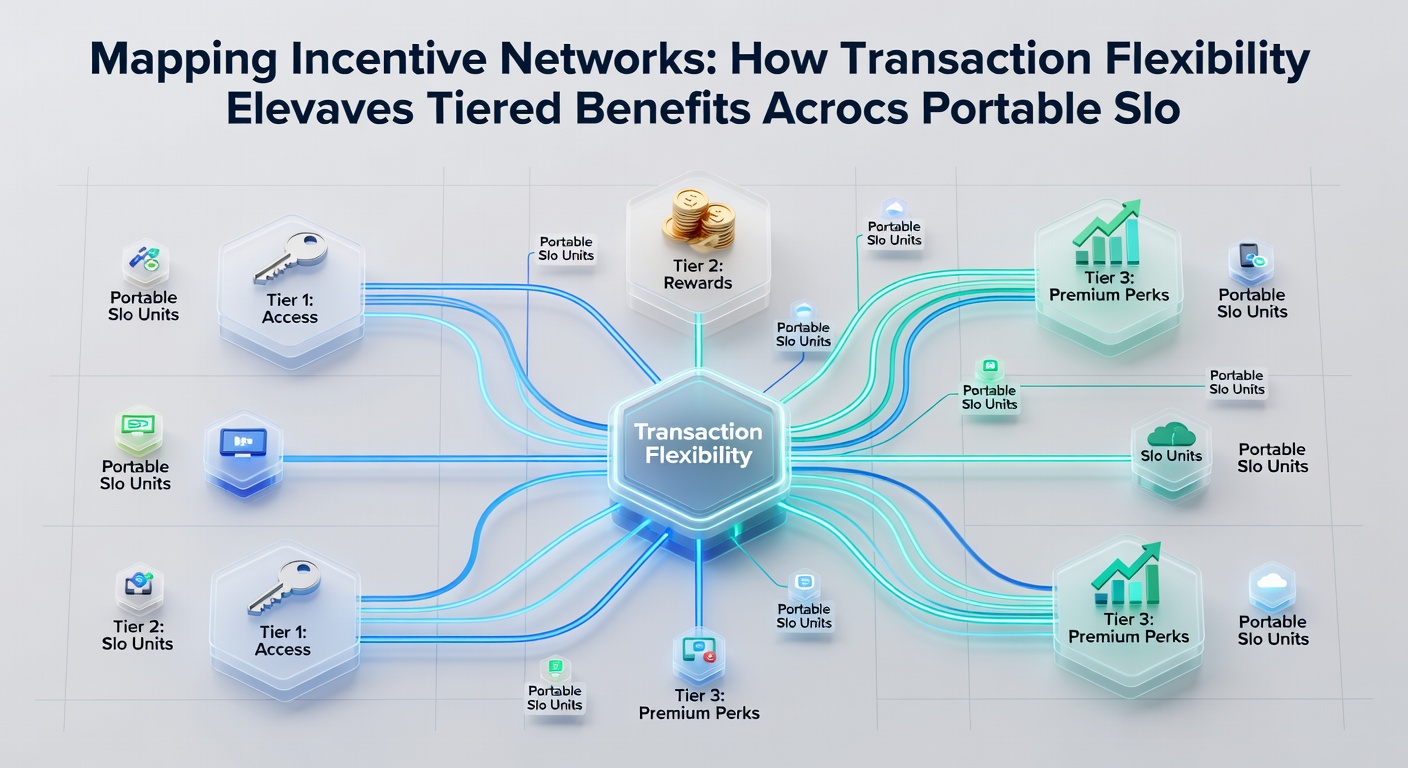
Dealers benefit from the same infrastructure as operators push real-time notifications about tier upgrades directly to player interfaces. Participants receive alerts showing exactly how recent mobile activity translated into table privileges, which encourages continued engagement across formats. In May 2026, several platforms reported record cross-format play volumes coinciding with updates that allowed partial tier progress to carry over during promotional periods.
Dealer Interface Integration Details
Live dealer interfaces incorporate transaction logs that mirror mobile slot histories, presenting unified dashboards to both players and staff. This setup lets dealers verify tier status instantly and apply appropriate concessions without manual lookups. Industry organizations such as the European Gaming and Betting Association have documented how these integrations reduce administrative delays while maintaining compliance with regional transaction reporting rules. The result is a tighter connection between player spending patterns and reward delivery across every supported channel.
Technical Pathways Supporting Cross-Format Progression
Secure transaction gateways handle the mapping process by embedding metadata tags that identify game type, amount, and timing. These tags feed into central loyalty engines that recalculate tier standings after each action. Experts who analyzed code samples from leading platforms found that conditional logic adjusts reward scaling based on whether activity originates from slots or dealer tables, preventing over-allocation while still rewarding volume. Portable devices maintain local caches that sync upon reconnection, ensuring progress never stalls during network transitions.
Payment method variety further strengthens these pathways. Support for multiple e-wallets and instant bank transfers allows players to fund accounts at moments that align with tier reset windows, preserving momentum. Data compiled by academic researchers at institutions studying digital entertainment economics shows that platforms offering at least four distinct transaction methods experience higher average tier advancement speeds than those limited to two or three options.
Conclusion
The mapping of incentive networks through flexible transactions creates measurable connections between portable slot activity and live dealer participation. Unified tracking systems convert every deposit and wager into tier progress that functions identically across formats, supported by protocols that update in real time. As platforms continue refining these connections, the structure of benefits evolves from isolated game rewards into comprehensive player ecosystems documented in regulatory filings and operational reports through 2026.