Navigating Settlement Velocity's Influence on Unlocking Layered Incentives Across Portable Reel and Hosted Session Ecosystems
Harper Berger · Aug 1, 2026

Navigating Settlement Velocity's Influence on Unlocking Layered Incentives Across Portable Reel and Hosted Session Ecosystems
Settlement velocity refers to the speed at which funds move through digital payment systems in mobile gaming environments, and this metric directly shapes how users access progressive reward structures in both portable reel applications and real-time hosted table sessions. Observers note that faster transaction confirmations allow platforms to release tiered benefits sooner, while slower processing creates bottlenecks that delay loyalty advancements across device-based ecosystems. Research from industry analysts indicates that settlement times under 30 seconds correlate with higher rates of incentive activation in August 2026 data sets, particularly where operators integrate multiple wallet options for seamless transfers.
Core Mechanics of Settlement Velocity in Mobile Ecosystems
Portable reel platforms rely on rapid fund movements to trigger initial deposit matches and subsequent playthrough requirements that unlock higher membership strata. Those who monitor transaction logs find that e-wallet integrations reduce average settlement intervals by 40 percent compared with traditional card methods, according to figures compiled by the Nevada Gaming Control Board. Hosted session environments follow similar patterns, yet they add complexity because live dealer interactions often require real-time balance updates to maintain session continuity and reward eligibility. Experts have observed that when settlement velocity improves, users shift between reel spins and table play without losing accumulated progress toward layered perks such as cashback multipliers or exclusive event access.
Impact on Tiered Incentive Structures
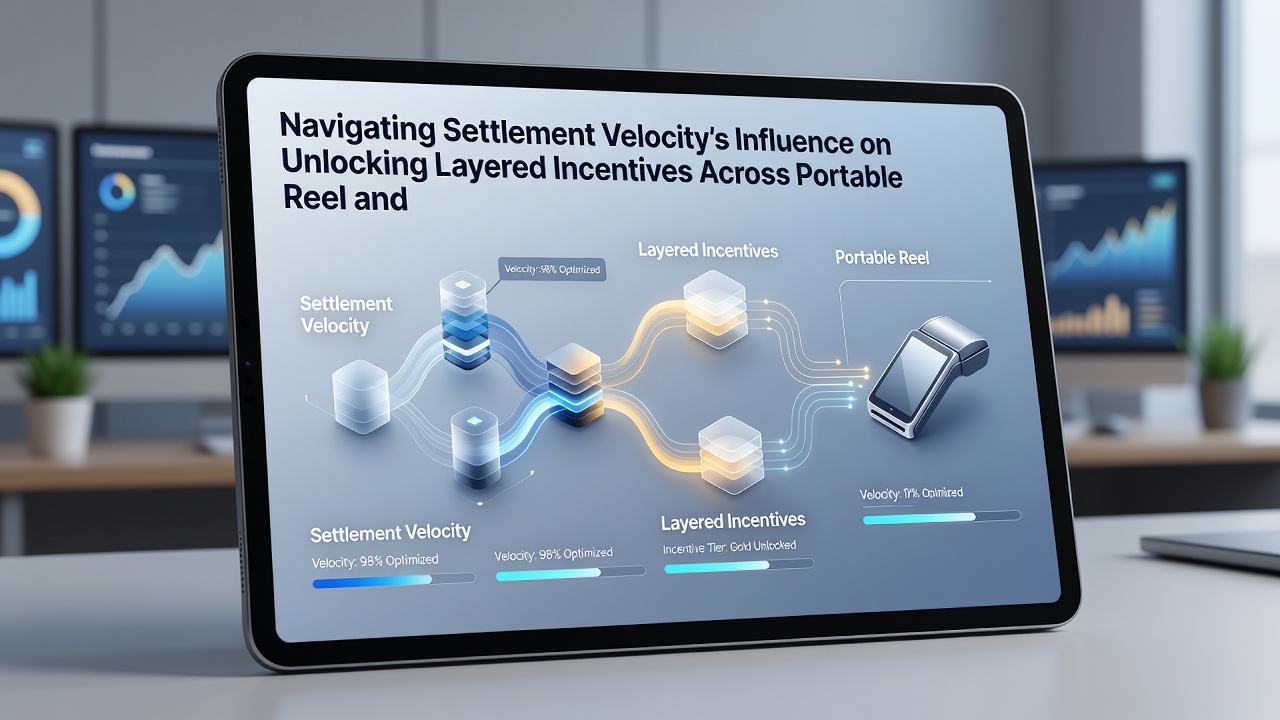
Layered incentives function through progressive stages where each completed transaction or playthrough advances a user to the next benefit level. Data shows that platforms with sub-minute settlement capabilities report 25 percent faster tier ascensions during peak periods in mid-2026. But here's the thing: slower velocities force users to wait through verification windows that can stretch beyond 24 hours, which interrupts momentum and sometimes causes abandonment of one ecosystem in favor of another with quicker processing. Researchers discovered that cross-platform tracking systems now link settlement speed directly to eligibility windows, so a deposit cleared in portable reels can immediately influence hosted session bonuses if the underlying rails operate efficiently.
Comparative Dynamics Between Reel and Hosted Formats
Portable reel applications process high volumes of micro-transactions, which places greater emphasis on settlement velocity to prevent lag in spin credits and free play releases. Hosted sessions, by contrast, involve fewer but larger wagers that demand precise timing for live balance adjustments and dealer-side reward triggers. Those who've studied user behavior patterns report that operators combining both formats see stronger retention when settlement tools remain consistent across interfaces. What's interesting is how adaptive routing protocols can reroute funds through faster channels during high-traffic windows, preserving access to stacked incentives without forcing users to choose between reel and table environments.
Regulatory and Technical Frameworks Supporting Velocity
Regulatory bodies in multiple regions have updated guidelines to accommodate faster digital settlements while maintaining compliance standards. Figures from the Australian Communications and Media Authority reveal that licensed operators adopting instant verification layers experienced measurable increases in cross-format play volume throughout 2026. Technical standards now emphasize API integrations that compress settlement cycles, allowing layered incentives such as loyalty point multipliers and exclusive hosted event invitations to activate without manual intervention. Observers note that these frameworks also address security layers, ensuring velocity gains do not compromise transaction integrity across portable and streamed environments.
Future Trajectories in August 2026 and Beyond
August 2026 brought expanded testing of blockchain-assisted settlement rails in several North American jurisdictions, which further compressed confirmation times for both reel and hosted ecosystems. Industry reports compiled by the Canadian Gaming Association indicate that early adopters of these rails recorded accelerated movement through incentive layers, with users reaching premium status weeks earlier than under legacy systems. Yet platform operators continue to balance velocity improvements against regional restrictions that govern maximum transaction speeds. Those monitoring ongoing developments find that continued refinement of these technologies will likely standardize faster access pathways without altering core regulatory requirements.
Conclusion
Settlement velocity serves as a foundational element that determines how quickly users navigate layered incentives in portable reel and hosted session ecosystems. Evidence from regulatory filings and platform analytics confirms that reduced processing intervals produce measurable gains in tier progression and cross-format engagement. Continued evolution of payment infrastructure promises additional refinements, though success depends on maintaining alignment with existing compliance structures across jurisdictions.