Navigating Status Elevation from Video Reel Credits to Hosted Session Entries Through Varied Remittance Channels in Portable Gaming Software
Harper Neumann · Aug 25, 2026
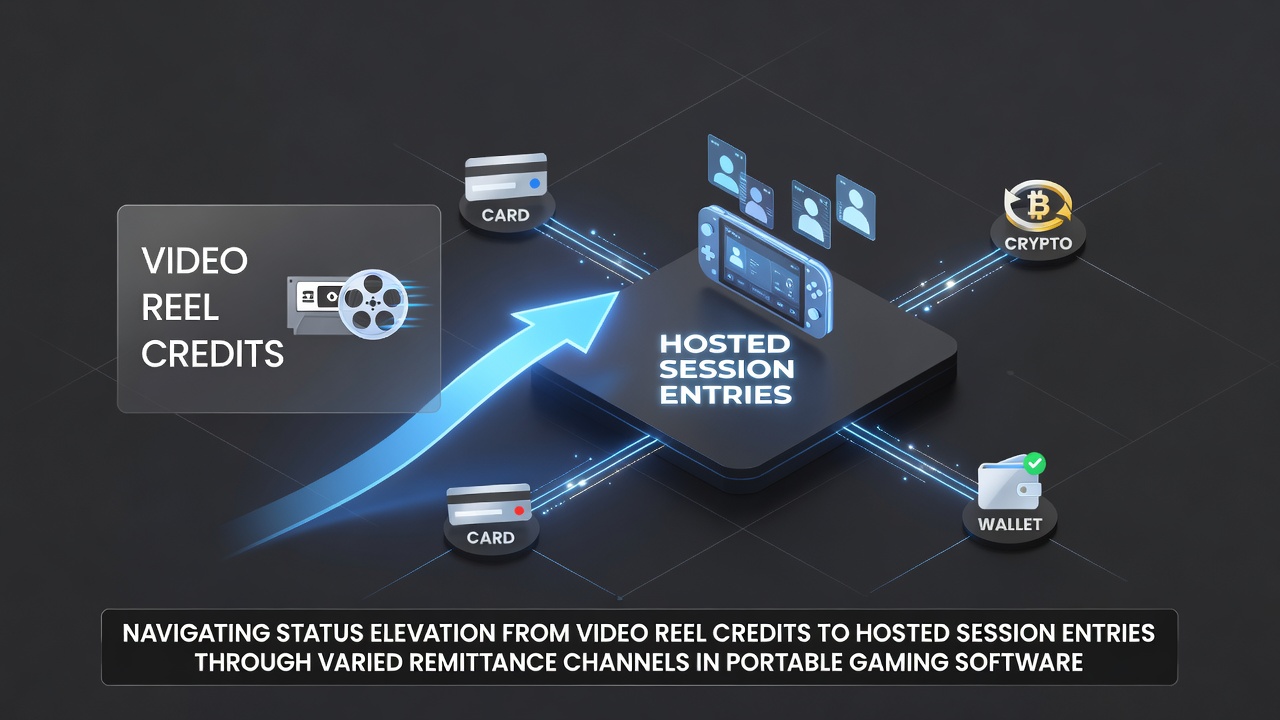
Navigating Status Elevation from Video Reel Credits to Hosted Session Entries Through Varied Remittance Channels in Portable Gaming Software
Portable gaming software has evolved into a system where players move from video reel credits accumulated in slot-style games to entries in hosted sessions that feature real-time dealer interactions, and this progression often depends on how remittance channels integrate with loyalty frameworks. Data from regulatory filings shows that transaction flexibility across mobile apps influences how quickly accounts advance through tier levels, with e-wallets, bank transfers, and card-based methods each carrying distinct processing speeds that affect reward access timelines.
Core Mechanics of Status Progression in Mobile Environments
Video reel credits build through repeated spins on portable devices, yet conversion into hosted session eligibility requires crossing specific thresholds tied to deposit volume and frequency. Observers note that platforms track these metrics in real time, allowing users to monitor progress via in-app dashboards while selecting remittance options that align with their preferred pace. Studies indicate that faster-settling channels such as digital wallets reduce the interval between credit accumulation and table entry unlocks compared with traditional card processing that may add verification steps.
August 2026 figures from multiple jurisdictions reveal continued growth in mobile transaction volumes, with platforms reporting that users who alternate between several remittance methods experience more consistent tier advancement. This pattern emerges because varied channels trigger different bonus multipliers and loyalty point rates, creating multiple routes rather than a single linear path.
Role of Remittance Channels in Unlocking Tier Benefits
Each payment method carries its own set of rules regarding minimum deposits, processing times, and associated incentives. Bank transfers often support larger single transactions that accelerate progress toward higher membership layers, while e-wallets frequently pair with instant credit applications that let players test hosted sessions without delay. Card payments, meanwhile, sometimes include additional verification layers that extend the time before new perks activate, though they remain popular for their widespread acceptance across apps.
One study released by the New Jersey Division of Gaming Enforcement documented how transaction velocity correlates with shifts between reel-based play and live dealer participation on mobile platforms. The analysis highlighted that accounts utilizing multiple remittance types reached advanced tiers at higher rates than those limited to a single method, because diversified funding patterns align better with the layered reward structures built into most portable gaming systems.
Integration Patterns Between Reel Credits and Hosted Sessions
Portable software typically structures loyalty programs so that reel credits contribute toward a base score, after which hosted session participation adds multiplier effects. Transition points occur when cumulative activity meets criteria such as total wagered amount or session frequency, and remittance choices directly influence how quickly these criteria are satisfied. Researchers have observed that players who route deposits through instant-settle channels often maintain steadier momentum across both game categories.

Platforms incorporate adaptive interfaces that display remaining requirements for the next tier after each completed transaction, giving users clear visibility into how their chosen remittance method affects upcoming access. Data shows that this transparency encourages experimentation with different funding routes, particularly when seasonal promotions attach extra point bonuses to specific channels during certain months.
Regional Regulatory Influences on Channel Availability
Licensing requirements in various markets dictate which remittance options operators may offer, and these rules shape the pathways available for status elevation. In regions with strict digital payment standards, fewer channels exist, which can concentrate activity around approved methods and alter the speed of tier progression. Conversely, jurisdictions that permit broader options create more entry points for players moving between reel credits and hosted sessions.
Reports from the Canadian Gaming Association note that provinces with expanded mobile licensing saw increased adoption of hybrid funding strategies, where users combined instant wallets with scheduled bank transfers to optimize both speed and reward accumulation. Such patterns illustrate how regulatory frameworks indirectly guide the navigation process without prescribing specific user behavior.
Conclusion
Status elevation within portable gaming software rests on the interplay between accumulated video reel credits, entry into hosted sessions, and the remittance channels selected to fund activity. Evidence from regulatory sources and industry analyses confirms that transaction flexibility across methods produces measurable differences in how rapidly accounts advance through membership layers. As mobile platforms continue to refine their systems, the documented patterns suggest that users who understand channel-specific rules gain clearer visibility into the steps required for progression between game formats.