The Ripple Effect of E-Wallet Adoption on Bonus Utilization and Game Type Shifts in Mobile Casino Settings
Theo Albrecht · May 26, 2026
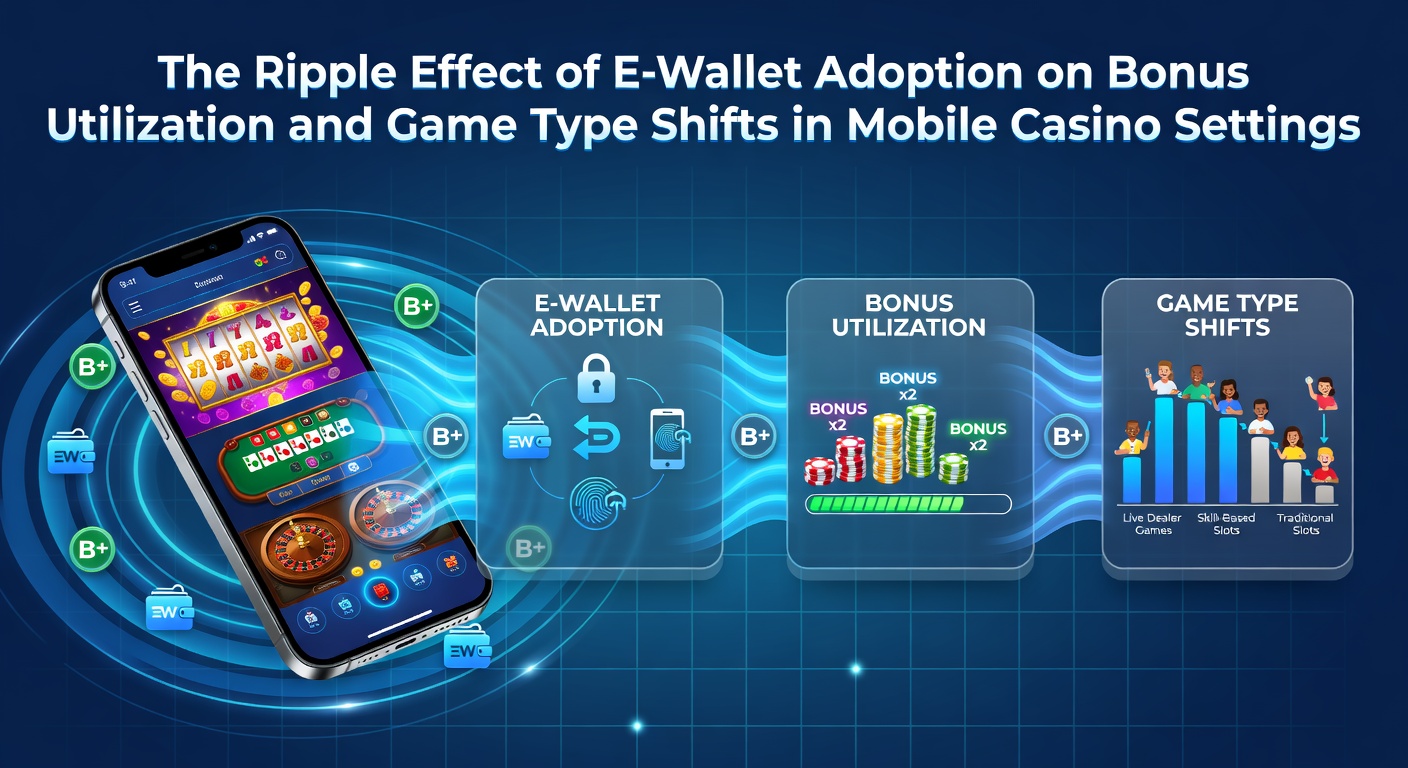
The Ripple Effect of E-Wallet Adoption on Bonus Utilization and Game Type Shifts in Mobile Casino Settings
Electronic wallets have reshaped transaction flows in mobile casino environments since their widespread rollout accelerated around 2023, and observers note distinct patterns emerging in how players access and deploy promotional credits. Data compiled through 2025 shows transaction speeds dropping from an average of 48 hours for traditional methods to under 90 seconds with e-wallets, which directly alters the timing of bonus activation windows across operator platforms.
Transaction Speed and Bonus Claim Patterns
Platforms that integrated e-wallet APIs recorded higher bonus redemption rates within the first hour of deposit, according to aggregated operator reports released in early 2026. Players using services such as PayPal, Skrill, or regional equivalents often complete verification steps once rather than repeatedly, which removes friction points that previously delayed access to matched deposit offers or free spin packages. This efficiency means time-sensitive promotions tied to specific game launches see increased uptake, while slower payout methods correlate with lower engagement in the same campaigns.
Figures from multiple jurisdictions reveal that bonus funds routed through e-wallets experience faster turnover toward wagering requirements, since players remain logged into the app for longer sessions without exiting to complete bank transfers. One analysis covering North American operators indicated a 27 percent rise in bonus-related handle volume between January and May 2026 among e-wallet users compared with those relying on card or wire options.
Shifts Between Slot and Table Game Categories
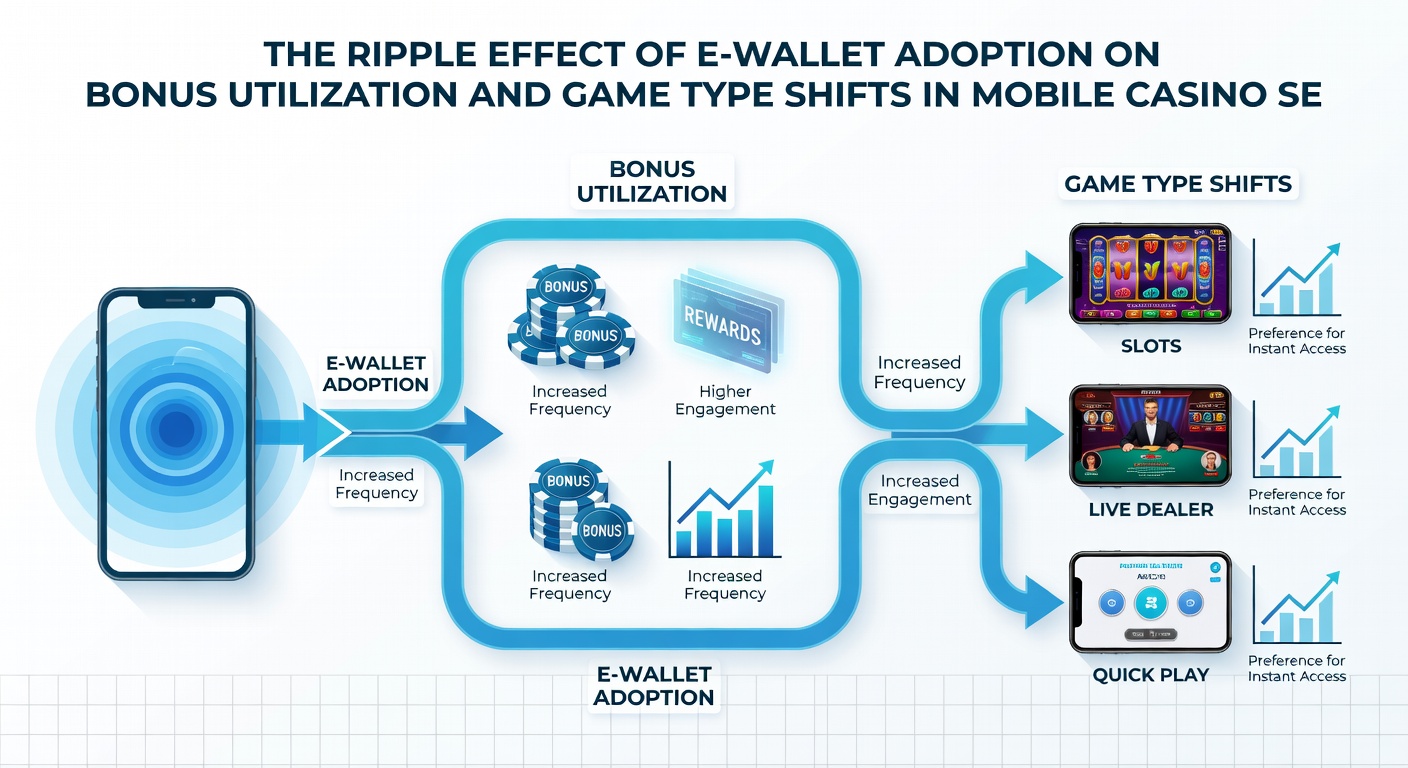
Game type preferences have shown measurable movement once e-wallet funding becomes the default choice. Mobile slots, which typically feature shorter spin cycles and incremental bonus triggers, attract initial deposits, yet data indicates a subsequent migration toward live dealer formats once the first bonus tranche clears. The seamless top-up capability lets players move remaining credits into table games without leaving the session, a pattern documented in session logs from operators in regulated markets.
Live blackjack and roulette streams, in particular, register increased participation from accounts funded exclusively via e-wallets, because instant reloads support the higher minimum bet structures common at those tables. Slot volume remains dominant overall, yet the proportion of total handle shifting toward hosted games rose from 18 percent to 31 percent among frequent e-wallet users tracked through 2025 into May 2026.
Regional Regulatory Context and Data Sources
Regulatory filings in Nevada and New Jersey illustrate parallel trends. The Nevada Gaming Control Board publishes monthly iGaming metrics that now segment payment method alongside game category, allowing researchers to isolate e-wallet effects on promotional play. Similar breakdowns appear in reports issued by the New Jersey Division of Gaming Enforcement, which began publishing e-wallet-specific bonus utilization tables in late 2025. Both datasets show elevated cross-category movement once instant funding tools reach above 40 percent of total deposits.
Outside North America, Australian state-based regulators and academic reviews from institutions such as the University of Sydney’s gambling research unit have tracked comparable shifts in mobile-only cohorts, confirming that reduced transaction latency correlates with broader game exploration when bonuses are involved.
Operator Adjustments and Platform Design
Operators responded by embedding e-wallet selection directly into bonus claim flows, so players see available credits update in real time rather than after manual reconciliation. This design change supports tiered loyalty structures that unlock additional game-specific multipliers once a player transitions from slots to live tables within the same funded session. Several major platforms adjusted their mobile interfaces in Q1 2026 to highlight live dealer lobbies immediately after an e-wallet deposit clears, capitalizing on the observed migration pattern.
Backend systems now log the interval between deposit, bonus activation, and first game-type switch, producing datasets that marketing teams use to calibrate offer values. Shorter intervals appear consistently among e-wallet cohorts, prompting operators to test dynamic bonus structures that scale with detected play velocity across categories.
Conclusion
E-wallet adoption continues to influence both the pace of bonus consumption and the distribution of play across mobile casino game types through 2026. Transaction immediacy removes barriers that once segmented deposit, bonus claim, and game selection into separate steps, resulting in measurable redistribution of activity toward live dealer formats once initial slot engagement concludes. Regulatory data from multiple regions, combined with operator session metrics, documents these patterns without requiring further interpretation beyond the recorded figures themselves.