Unpacking Loyalty Structures That Link Spinning Reels With Hosted Table Sessions on Handheld Devices Through Flexible Transaction Channels
Quinn Griffin · Jun 23, 2026

Unpacking Loyalty Structures That Link Spinning Reels With Hosted Table Sessions on Handheld Devices Through Flexible Transaction Channels
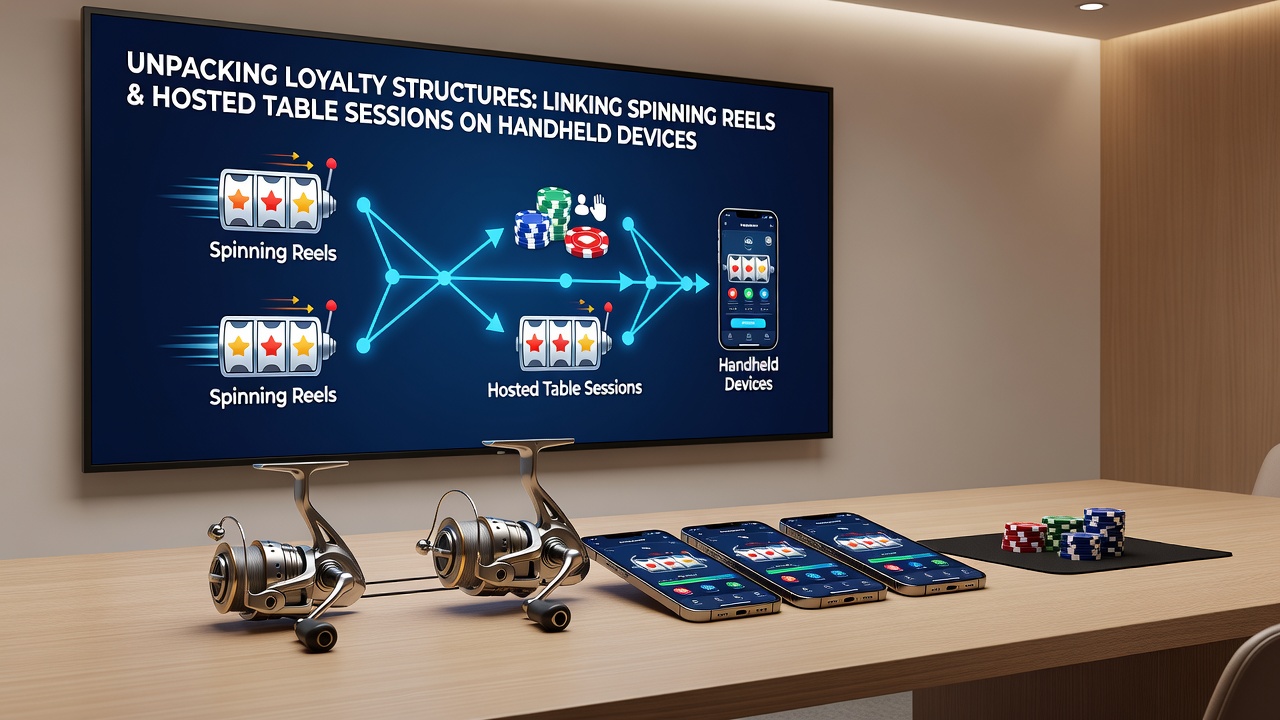
Operators have built loyalty structures that connect spinning reel games with hosted table sessions on handheld devices, and these frameworks rely on flexible transaction channels to move players between formats without friction. Research from regulatory bodies shows that such systems track player activity across both categories, assigning points or tier progress based on combined wagers rather than isolated sessions.
Data from the Alcohol and Gaming Commission of Ontario indicates that mobile platforms accounted for over 60 percent of iGaming activity in early 2026, with many programs using unified wallets that support instant transfers between slot credits and table buy-ins. These channels include e-wallets, instant bank transfers, and in-app payment methods that update balances in real time, allowing users to shift from reel spins to live dealer tables while maintaining eligibility for the same reward ladders.
Mechanics of Cross-Format Loyalty Tracking
Loyalty engines record every spin and every hand dealt on the same account profile, then apply multipliers or accelerated earning rates when activity spans both reel and table categories within a single day. According to figures released by the Alcohol and Gaming Commission of Ontario, programs that link the two formats see higher session lengths because players chase tier thresholds that require mixed play rather than single-game focus.
Transaction velocity matters here. When deposits clear in under ten seconds, users can respond to live table openings without losing momentum on their current reel session. Observers note that operators have adjusted their backend systems to recognize deposits made through any approved channel as qualifying activity toward the next loyalty rung, removing earlier distinctions that once separated slot-only and table-only progress.
Transaction Channels and Tier Advancement
Flexible payment options extend beyond simple deposits. Players can move funds between game wallets, redeem points for table time credits, or convert accumulated loyalty currency into free spins that carry over to live sessions. Industry reports show that programs offering these bridges record increased movement between formats, particularly on devices running iOS and Android apps that support biometric confirmation for rapid transfers.
In June 2026, several major platforms introduced tier-reset mechanics tied to monthly transaction volume rather than calendar dates. This change means a player who maintains steady deposits and withdrawals across reel and table play can protect their status even during lower-activity weeks. The adjustment reflects data showing that rigid monthly resets previously caused churn when users switched devices or payment preferences mid-cycle.
Device-Level Integration Patterns
Handheld devices enable these structures through persistent logins and push notifications that alert users when table seats open in games matching their current loyalty tier. Researchers tracking app behavior found that notifications sent immediately after a successful deposit on a slot session increase the likelihood of a same-day table transition by measurable margins.
Security protocols embedded in the payment layer support this fluidity. Multi-factor authentication tied to the device itself, combined with token-based wallet connections, allows transactions to complete without forcing players to re-enter details when switching between reel and table interfaces. Such measures keep session continuity intact while meeting regional compliance requirements.
Regional Variations in Implementation
Markets differ in how they permit these linked structures. Canadian provinces have emphasized unified account reporting that captures both reel and table activity for responsible gambling tools, whereas certain Australian states require separate display of loyalty progress per game type even when underlying points feed a single tier system. European operators, operating under varying national rules, often rely on geofenced payment channels that still feed the same cross-format loyalty database.
One consistent element across regions remains the role of transaction speed. Studies compiled by academic groups focused on digital gambling economics show that delays exceeding thirty seconds between deposit and game credit reduce the rate at which players move from reels to tables within the same login period.
Conclusion
Loyalty structures that connect spinning reels with hosted table sessions on handheld devices depend on transaction channels that operate without noticeable delay and on tracking systems that treat activity across both formats as cumulative. Regulatory data from multiple jurisdictions continues to document how these designs influence player movement patterns, particularly as mobile interfaces improve and payment options expand. The frameworks remain subject to ongoing adjustments as operators respond to volume metrics and compliance updates observed through the first half of 2026.